Embroidery Design Review: Cutlery
First Impressions of Cutlery
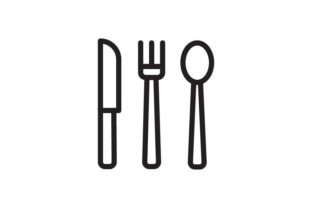
When I first opened the Cutlery design, I was struck by its clean, minimalist aesthetic. The icon set feels modern and versatile, with a focus on clarity and simplicity. The shapes are well-proportioned, making it easy to visualize how it would translate into different embroidery projects.
The design has a timeless quality that suggests it could work in both traditional and contemporary settings. Whether used as an applique design or a simple satin stitch, Cutlery maintains its visual integrity without appearing too busy or cluttered.
Real-World Embroidery Use Cases
One of the first scenarios I imagined was using Cutlery on a custom tote bag design. The icons are detailed enough to stand out but not so intricate that they overwhelm the fabric. A small set of cutlery elements could make a great statement on a reusable shopping bag, especially for a kitchen-themed shop or a boutique brand focused on home goods.
For a sweatshirt embroidery project, Cutlery could be used as a subtle accent on the sleeve or back. Its low stitch density makes it ideal for lightweight fabrics, and the SVG format ensures it scales well without losing quality.
I also see potential in baby items, like onesies or burp cloths. The design is simple enough to be safe for delicate fabrics and gentle enough for a child’s skin. It could serve as a fun, recognizable motif for a nursery or a personalized gift for a new parent.
Where to Use Carefully
While Cutlery is generally well-suited for a range of projects, there are some situations where caution is advised. On small hoop sizes, the design might feel cramped, especially if you’re trying to include multiple icons in one area. You’ll want to ensure your hoop is large enough to accommodate the full design without compromising detail.
On textured fabrics or thin materials, the design might not show up as clearly. A stabilizer can help, but it’s worth testing on scrap fabric before committing to a final project. Similarly, on stretchy or dark fabrics, thread color contrast becomes even more important to ensure visibility.
If you're planning to use Cutlery on curved surfaces like caps or hats, keep in mind that the design may require slight adjustments to fit the shape. Small details, like the edges of knives or forks, could become distorted if not handled carefully.
Impact on Visual Appeal and Customer Perception
Cutlery adds a professional touch to any embroidered product. Its clean lines and balanced composition contribute to a polished look that appeals to customers looking for quality handmade products or personalized gifts.
When used on a custom apparel piece, the design can elevate the overall value of the finished product. Customers often associate well-executed embroidery with care and craftsmanship, which can increase trust and encourage repeat business.
As a digital embroidery file, Cutlery offers flexibility for craft businesses and Etsy sellers. It can be used in printable mockups, digital product previews, or as part of a larger design asset library. Its versatility makes it a valuable addition to any designer’s toolkit.
Practical Tips for Embroidery Designers
Before using Cutlery in a real project, always test it on scrap fabric. This will help you assess how the design looks on different materials and identify any potential issues early on.
Check thread color contrast against your chosen fabric. Some colors may not show up well on certain backgrounds, so it’s best to verify this before starting a larger project.
Review the stitch density to ensure it matches your project’s requirements. If the design is too dense, it may cause puckering or distortion on delicate fabrics. If it's too light, it might not hold up over time.
Confirm the hoop size needed for your machine. If the design is too large for your current setup, consider resizing or breaking it into smaller sections.
Inspect small details, such as corners and curves, to make sure they remain clear after stitching. These areas can sometimes get lost in the embroidery process, especially on complex designs.
Test the design in black and white mockups to see how it appears without color. This can help you understand how it will look on different fabric backgrounds and whether it needs adjustment.
Use proper stabilizer to prevent shifting or distortion, especially on stretchy or lightweight fabrics. This step can make a big difference in the final outcome of your embroidered project.
Final Thoughts on Cutlery
Cutlery is a solid choice for designers looking for a clean, adaptable embroidery design. Its minimalist approach makes it suitable for a wide range of applications, from custom apparel to personalized gifts and commercial embroidery projects.
Whether you're an Etsy seller, a small shop owner, or a creative entrepreneur, Cutlery offers practical value and visual appeal. With careful consideration and testing, it can become a reliable asset in your design workflow.
As with any embroidery file, always confirm licensing terms before using it for commercial purposes. Make sure it aligns with your brand’s standards and the expectations of your customers.