Layers: A Versatile Embroidery Design
As an embroidery designer and product reviewer, I’ve seen my fair share of digital files that promise a lot but deliver little. Layers, a downloadable SVG file in the Icons category, offers something different. It’s not just another design—it’s a tool that can elevate your craft projects, whether you’re working on custom apparel, personalized gifts, or small business merchandise. Let’s break down how it performs in real-world scenarios.
The First Impression: Simplicity Meets Depth
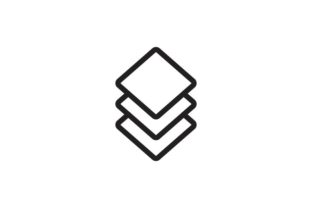
When I first opened Layers, I was struck by its clean, modern aesthetic. The design features overlapping shapes that create a sense of depth without being overly complex. It has a minimalist vibe, which makes it adaptable to a wide range of projects. The layout is well-balanced, with enough detail to be visually interesting but not so dense that it becomes overwhelming.
This design feels like it belongs in a contemporary setting—perfect for modern home decor, trendy apparel, or sleek accessories. Its visual personality leans toward sophistication, making it ideal for handmade products that aim to stand out in a crowded market.
Real-World Use Cases: From Tote Bags to Holiday Gifts
Imagine you’re preparing a custom embroidered tote bag for a client. Layers could be the perfect addition, offering a subtle yet stylish touch that complements the fabric without overpowering it. The design’s simplicity allows it to work well on both light and dark fabrics, though I’d recommend testing it on your chosen material before committing to a full project.
For a sweatshirt embroidery project, Layers would add a unique flair without requiring excessive stitch density. It’s also great for baby items, where clarity and softness are key. The design’s structure makes it suitable for embroidered patches, aprons, and even kitchen towels, where a clean look is preferred over intricate details.
When it comes to holiday or wedding gifts, Layers can be used as a decorative element on pillow covers, blankets, or personalized keepsakes. Its versatility means it can fit into multiple themes, from rustic to modern, depending on how you pair it with other design elements.
Where to Be Cautious: Fabric and Fit Matter
While Layers is a strong design, there are situations where it might not perform as well. On small hoop sizes, the design may feel cramped, especially if you’re working on a detailed area. Similarly, textured or stretchy fabrics could cause the stitches to shift or lose definition.
Thin or dark fabrics might require careful thread color selection to ensure visibility. If you’re planning to use Layers on curved surfaces like caps or hats, you’ll need to adjust the design slightly to account for the shape. Tiny lettering or intricate corners might not hold up well under heavy stitching, so it’s best to test it on scrap fabric first.
Dense stitch areas can also be a concern. While Layers isn’t overly complex, it still requires proper stabilizer and stitch density settings to maintain its integrity. If you’re using it as part of a larger embroidery project, make sure it doesn’t clash with other elements in terms of scale or style.
Impact on Visual Appeal and Customer Perception
One of the most important aspects of any embroidery design is how it looks once stitched. Layers delivers a clean, professional appearance that can enhance the value of your finished product. Its simplicity ensures that it won’t overwhelm the fabric, making it a safe choice for clients who want something elegant but not too bold.
From a customer perspective, a well-executed design like Layers can increase trust in your brand. It signals that you understand the balance between aesthetics and functionality, which is crucial for handmade products and personalized gifts. When customers see a polished, cohesive design, they’re more likely to view your work as high-quality and reliable.
For small business owners and Etsy sellers, this kind of design can be a valuable asset. It adds a layer of professionalism to your listings and helps differentiate your products from others. Whether you’re selling digital files or finished goods, Layers can help you maintain consistent branding across your offerings.
Practical Designer Notes: Test, Adjust, and Optimize
Before using Layers in a commercial project, I always recommend testing it on scrap fabric. This will give you a clear idea of how it looks when stitched and whether it meets your expectations. Pay attention to the thread colors you choose—some combinations may not show up as well as others, especially on darker backgrounds.
Review the stitch density settings to ensure the design doesn’t become too stiff or too loose. Check the hoop size required for the design to avoid any issues during the embroidery process. Small details like corners or edges should be inspected closely to make sure they remain sharp after stitching.
If you’re planning to use Layers in printable mockups or digital product previews, test it in black and white to see how it translates. This will help you determine if it works well as a standalone design or needs additional elements to stand out.
Final Thoughts: A Smart Choice for Many Projects
Layers is a solid machine embroidery design that offers flexibility and style. It’s well-suited for a variety of applications, from custom apparel to holiday gifts, and it maintains a level of quality that can enhance your handmade products. While it’s not perfect for every situation, its adaptability makes it a worthwhile addition to any designer’s toolkit.
Whether you’re an experienced embroiderer or just starting out, Layers provides a practical foundation for creating beautiful, professional-looking projects. Just remember to test it thoroughly and consider the fabric and project requirements before finalizing your design choices.