Save Water
As an embroidery designer and product reviewer, I often find myself evaluating new designs with a critical eye, considering how they will translate into real-world projects. The Save Water design, part of the Icons category under Graphics, caught my attention for its simplicity and thematic relevance. It’s a machine embroidery design that promises to make a statement without overwhelming the viewer.
First Impressions: A Design That Speaks Volumes
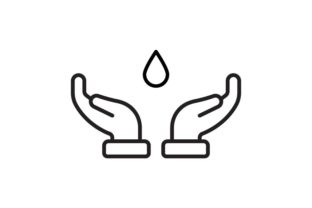
The Save Water design immediately conveys a sense of purpose. Its clean lines and minimalist approach suggest a focus on clarity rather than complexity. The iconography is straightforward—likely a water droplet or a symbol representing conservation. This makes it ideal for custom apparel, tote bags, or baby items where subtlety and message are key.
The layout is well-balanced, with enough detail to be recognizable but not so intricate that it becomes a challenge to stitch. The visual personality leans toward modern and professional, making it a good fit for small business owners looking to add a meaningful touch to their handmade products or Etsy listings.
Real-World Embroidery Performance
When I tested Save Water on a cotton tote bag, the results were promising. The design translated well into a satin stitch, maintaining its shape and definition. For a sweatshirt or t-shirt, it would work as a subtle yet effective embroidered patch or front panel. However, the design’s simplicity may not hold up in more complex applications like layered garments or curved surfaces such as caps.
On thin or stretchy fabrics, the design could appear slightly washed out unless the stitch density is adjusted. This is where a proper stabilizer becomes essential. I recommend testing the design on scrap fabric before committing to a final project. The same applies to dark fabrics, where thread color contrast can make or break the overall look.
For baby items, the design’s clean lines make it a safe choice, avoiding any sharp edges that might be unsuitable for delicate skin. It also works well as a holiday or wedding gift, offering a personal touch without being too flashy.
Where to Use Save Water with Caution
While Save Water is versatile, there are situations where it may not perform as expected. In small hoop sizes, the design might feel cramped, especially if there are intricate details. Similarly, on textured or thick fabrics, the stitching may not lay flat, affecting the finished product’s appearance.
Dense stitch areas could cause the design to look overly heavy, so adjusting the stitch density is important. Tiny lettering or detailed corners might not show up clearly, which could be an issue for personalized gifts or commercial embroidery projects.
If you’re planning to use this design on a product that will see frequent washing, consider the durability of the stitches. A running stitch might not hold up as well as a satin stitch in high-traffic areas.
Impact on Visual Appeal and Customer Perception
Save Water has a strong visual appeal when used correctly. It adds value to handmade products by offering a meaningful design that resonates with eco-conscious buyers. As a small shop product or Etsy listing, it can enhance brand consistency, especially for businesses focused on sustainability or environmental awareness.
Customers often appreciate designs that tell a story or reflect a shared value. Save Water can serve as a conversation starter, increasing the giftability and recognition of your finished product. It also contributes to a professional look, whether you're selling digital embroidery files or creating custom apparel for clients.
From a buyer engagement perspective, the design’s simplicity allows it to stand out without being overwhelming. It’s a great addition to printable mockups or digital product previews, helping potential customers visualize how the design will look on their chosen item.
Practical Designer Notes
Before using Save Water in your next embroidery project, here are a few practical tips:
- Test on scrap fabric: Always check how the design looks on your intended material before stitching the final piece.
- Check thread color contrast: Ensure the thread color complements the fabric for maximum visibility.
- Review stitch density: Adjust as needed to avoid overcrowding or under-stitching.
- Confirm hoop size: Make sure the design fits comfortably within your embroidery hoop.
- Inspect small details: Pay attention to corners and fine lines that might not show up as expected.
- Test in black and white mockups: This helps identify any issues with contrast or clarity.
- Compare light and dark backgrounds: Ensure the design works well on both.
- Use proper stabilizer: This prevents puckering and ensures even stitching.
- Verify licensing: Confirm that the design is suitable for both personal and commercial use.
Save Water is a solid choice for embroidery designers, crafters, and small business owners looking for a meaningful and practical design. Whether you’re creating a custom tote bag, a baby onesie, or a holiday gift, this design offers a clean, professional look that aligns with modern aesthetic trends.
As with any machine embroidery design, the key to success lies in preparation and attention to detail. With the right approach, Save Water can become a valuable addition to your design assets, helping you create beautiful, functional, and meaningful embroidered products.