Shield: A Bold Embroidery Design
As an embroidery designer and product reviewer, I've evaluated countless machine embroidery designs. Shield stands out as a versatile and impactful option for a variety of projects. Its clean lines and strong visual presence make it ideal for custom apparel, small business merchandise, and personalized gifts. But like any design, it has its strengths and limitations that need to be considered before use.
The First Impression
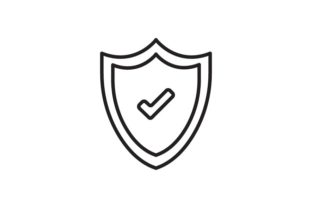
Shield immediately conveys a sense of strength and protection. The design features a central emblem with a bold, geometric shape that feels both modern and timeless. The layout is simple yet effective, making it suitable for a wide range of applications. It’s not overly complex, which means it can be adapted to different fabrics and embroidery styles without losing its clarity.
The theme of the design is clear: it’s meant to symbolize something protective or symbolic. This makes it a great fit for baby items, holiday gifts, or even custom patches. The level of detail is moderate—enough to be visually interesting but not so intricate that it becomes difficult to stitch on smaller machines or in tight hoop sizes.
Real-Life Embroidery Use Cases
Imagine you're preparing a custom embroidered tote bag for a client. Shield would look great on a cotton canvas tote, especially if you're going for a minimalist, modern aesthetic. The design would work well with a single thread color, but adding a second color for the outline could add depth and dimension. It’s also a good candidate for a sweatshirt embroidery project, where the simplicity of the design allows it to stand out without overwhelming the garment.
For baby items, Shield could be used as a decorative element on onesies, blankets, or burp cloths. Its clean lines make it easy to personalize, and the design is unlikely to appear too harsh or intimidating for a child. If you’re working on a patch, the design would translate well into an applique design, especially when using satin stitch for the main shape and fill stitch for any background elements.
Shield also has potential for holiday or wedding-themed projects. It could serve as a subtle accent on a gift box, a banner, or even a table runner. Its versatility makes it a solid choice for craft fairs, Etsy listings, or boutique branding efforts.
Where to Be Careful
While Shield is generally easy to work with, there are some situations where it may not perform as well. For instance, if you're using it on a small hoop size, you may find that the details become less defined. It's important to test the design on scrap fabric first to ensure it looks good at your intended scale.
Textured fabrics, thin materials, or stretchy fabrics can also affect how the design appears. On dark fabrics, the contrast may be less noticeable, so consider adjusting the thread colors or using a lighter background. For layered garments or curved surfaces like caps, the design may require additional stabilizer to prevent distortion during stitching.
If the design includes tiny lettering or detailed corners, you’ll want to double-check how those elements hold up in real use. Dense stitch areas can cause puckering, so managing stitch density carefully is key. Also, if you're planning to use Shield for commercial embroidery projects, make sure to review the licensing terms before selling finished products or digital files.
Impact on Visual Appeal and Customer Trust
Shield has the potential to enhance the visual appeal of any project it’s used on. Its strong, clean design adds a professional touch that can elevate handmade products or custom apparel. When used effectively, it can increase the perceived value of a finished product, making it more attractive to customers looking for quality and uniqueness.
From a customer perspective, a well-executed embroidery project featuring Shield can build trust and encourage repeat business. It shows that the creator pays attention to detail and understands what makes a design successful. Whether it’s a personalized gift, a custom patch, or a boutique product, Shield can help reinforce brand consistency and create a memorable impression.
Practical Designer Notes
Before using Shield in any project, always test it on scrap fabric. This will help you see how the design looks in real life and whether it meets your expectations. Check the thread color contrast, especially if you're using it on dark or light backgrounds. Review the stitch density to ensure it’s appropriate for your machine and fabric type.
Confirm the hoop size required for the design and make sure it fits your embroidery machine. Inspect the small details closely—especially if you plan to use it for a high-end product. Test it in black and white mockups to see how it looks without color, and compare it on different fabric backgrounds to ensure it’s versatile.
Use the right stabilizer for your project, especially if you're working with delicate or stretchy fabrics. Make sure the design works for both personal and commercial use, and always verify the licensing information before selling finished items or digital products. Shield is a solid choice, but understanding its limitations is just as important as knowing its strengths.
Final Thoughts
Shield is a practical and effective embroidery design that can be used in a variety of creative projects. Its clean, bold style makes it adaptable to different fabrics, garments, and applications. Whether you're an Etsy seller, a small shop owner, or a hobbyist, this design offers a reliable option for adding a professional touch to your work.
With proper testing and consideration, Shield can become a valuable addition to your design assets. It’s a great example of how a simple, well-crafted design can have a big impact on the final product and the overall customer experience.