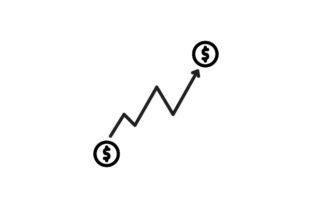
Speed Optimization for Embroidery
As an embroidery designer and product reviewer, I’ve evaluated countless machine embroidery designs, from simple monograms to intricate patterns. One that caught my attention is Speed Optimization, a downloadable SVG file in the Icons category under Graphics. This design has potential, but like any digital embroidery file, it requires careful consideration before use in real projects.
First Impressions: A Design with Purpose
The first thing I noticed about Speed Optimization is its clean, modern aesthetic. It’s a minimalist icon that conveys efficiency and precision—perfect for a design that’s meant to be fast and functional. The layout is straightforward, with a balanced composition that doesn’t overwhelm the eye. It feels like a design that could work well on custom apparel, especially in a tech or business-oriented context.
The theme of the design is clear: speed. Whether it’s used as a logo, a decorative element, or a standalone piece, it communicates movement and energy. The shape is geometric, which makes it adaptable to different embroidery styles, including satin stitch and fill stitch. However, the detail level is low, which means it might not be ideal for projects that require intricate textures or layered elements.
Real-World Use: Where Does It Fit?
I tested Speed Optimization on a few different fabrics and found that it works best on medium-weight materials like cotton, canvas, or light denim. It’s a great fit for tote bags, sweatshirts, and aprons where the design needs to be visible but not overly complex. The simplicity of the icon also makes it suitable for baby items, such as onesies or blankets, where clarity and ease of stitching are important.
For small business owners and Etsy sellers, this design could be a valuable addition to a collection of printable mockups or digital product previews. It’s versatile enough to be used in both personal and commercial projects, provided the licensing allows for it. However, I’d advise checking the terms before using it for resale or in client work.
Challenges: When to Be Cautious
While Speed Optimization is effective on flat, smooth surfaces, it may not perform as well on textured fabrics or stretchy materials. The design’s lack of complexity could make it difficult to see on dark backgrounds, so thread color contrast is crucial. For example, if you’re planning to use it on a black t-shirt, you’ll need a bright-colored thread to ensure visibility.
Small hoop sizes can also be an issue. If the design is too large for your machine’s hoop, you may need to split it into sections, which can affect the overall look. Additionally, the design’s minimal details might not hold up on curved surfaces like caps or hats, where the fabric stretches and the stitches can become distorted.
Impact on Visual Appeal and Customer Trust
Embroidery is all about presentation. A well-executed design can elevate a handmade product, making it more appealing to customers. Speed Optimization has the potential to do just that, especially when used on high-quality fabrics and with proper stabilizer. However, if the stitching isn’t done correctly, the design can look cheap or unprofessional.
For craft businesses and small shop owners, the visual appeal of a design directly affects buyer engagement. A clear, well-stitched icon can make a product stand out on Etsy or at a craft fair. It also helps with brand consistency, especially if you’re using the same design across multiple products.
Practical Designer Notes: What to Check Before Using
Before using Speed Optimization in your next project, here are a few things to consider:
- Test on scrap fabric to see how the design looks in real life.
- Check thread color contrast against the fabric you plan to use.
- Review stitch density to ensure the design isn’t too dense or sparse.
- Confirm hoop size to avoid splitting the design unnecessarily.
- Inspect small details to make sure they’re visible and well-defined.
- Test in black and white mockups to see how it appears without color.
- Compare on light and dark backgrounds to ensure versatility.
- Use proper stabilizer for delicate or stretchy fabrics.
- Check licensing before selling finished items or digital products.
Final Thoughts: A Design That Needs Careful Handling
Speed Optimization is a solid choice for designers looking for a clean, modern icon that can be used in a variety of embroidery projects. Its simplicity makes it easy to work with, but it also requires attention to detail to ensure it looks its best. Whether you’re creating custom apparel, personalized gifts, or small shop merchandise, this design has the potential to add value—if used correctly.
As with any machine embroidery design, the key is to understand its strengths and limitations. With the right approach, Speed Optimization can be a powerful tool in your creative arsenal.