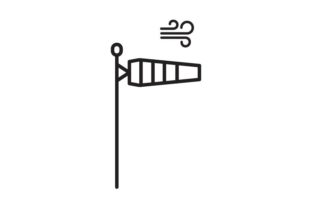
Windsock Embroidery Design Review
First Impressions of Windsock
The Windsock design immediately catches the eye with its clean, modern aesthetic. The shape is simple yet effective, evoking a sense of movement and lightness that feels perfect for a variety of embroidery projects. The layout is well-balanced, making it easy to integrate into different product types without feeling cluttered or overwhelming.
The theme of Windsock is subtle but distinct. It’s not overly complex, which makes it ideal for a wide range of applications. The level of detail is just right—enough to add visual interest without complicating the stitching process. This makes it a great choice for both beginners and experienced embroiderers looking for something versatile.
Real-World Use Cases for Windsock
Imagine you're working on a custom embroidered tote bag for a client who wants something unique but not too flashy. Windsock would fit perfectly here. Its simplicity allows it to stand out without overpowering the fabric. It could be used as a main design element or as a decorative accent in a larger composition.
For a small business owner selling handmade products, Windsock offers a lot of flexibility. It can be used on sweatshirts, t-shirts, or even baby clothes. The design’s size and shape make it suitable for a range of garment types, from casual wear to more formal items. It also works well as an embroidered patch for caps or jackets, adding a touch of personality without being too bold.
When considering holiday or wedding gifts, Windsock has potential as a personalized embroidery option. It can be adapted to fit different themes and color schemes, making it a good choice for seasonal or event-specific designs. Its clean lines also make it easy to incorporate into printable mockups, helping sellers present their products effectively online.
Performance in Different Embroidery Situations
Windsock performs well in most standard embroidery setups. It’s not overly dense, which means it stitches smoothly on most fabrics without causing puckering or distortion. However, it’s important to consider the fabric type when using this design. On thin or stretchy materials, extra care should be taken to ensure the design stays in place during stitching.
For custom apparel like t-shirts or sweatshirts, Windsock is a solid choice. The design doesn’t require excessive stabilizer, but it’s still wise to use a lightweight tear-away or water-soluble stabilizer for best results. On darker fabrics, the design may need a contrasting thread color to ensure visibility and clarity.
When working with smaller hoop sizes, Windsock may need to be split into sections. This is especially true if the design is placed on curved surfaces like caps or hats. The corners of the design are relatively simple, so they should hold up well during stitching, but it’s always a good idea to test the design on scrap fabric first.
Where to Be Cautious with Windsock
While Windsock is generally easy to work with, there are a few areas where caution is advised. On textured fabrics, the design may not show up as clearly as on smooth materials. This is especially true for intricate details or areas with high stitch density. If the design is going to be used on a layered garment, it’s important to check how it looks through the layers to avoid any unwanted distortions.
For baby items or other delicate products, the design’s edges should be inspected closely. Tiny lettering or fine details might get lost during the stitching process, especially if the fabric is not stable enough. In such cases, adjusting the stitch density or using a different stitch type, like a running stitch, may help improve the outcome.
When planning for commercial embroidery projects, it’s essential to confirm the licensing terms before selling finished products or digital files. While the design itself is clean and professional, the rights to use it commercially should be verified to avoid any legal issues down the line.
Impact on Visual Appeal and Customer Perception
Windsock adds a touch of sophistication to any project it’s used on. Its minimalist style makes it appealing to a broad audience, from casual buyers to those looking for something more refined. When used correctly, it enhances the visual appeal of the finished product, making it more attractive to potential customers.
Stitching clarity is another key factor. Windsock’s design is straightforward, which helps maintain a clean look even after stitching. This is especially important for handmade products, where attention to detail can significantly impact customer trust and satisfaction.
From a branding perspective, Windsock can be a valuable asset for small businesses and Etsy sellers. It provides a consistent, professional look that aligns with modern design trends. Whether used on a tote bag, pillow cover, or apron, it helps reinforce brand identity and creates a cohesive product line.
Practical Designer Notes for Using Windsock
Before committing to a full project, it’s always a good idea to test Windsock on scrap fabric. This allows you to see how the design looks in real life and make any necessary adjustments. Checking the thread color contrast is also crucial, especially if the design will be used on dark or light backgrounds.
Reviewing the stitch density is another important step. If the design is too dense, it may cause the fabric to pucker or the threads to break. Adjusting the density or using a different stitch type can help achieve better results. Confirming the hoop size needed for the design is also essential, especially when working with smaller or curved surfaces.
Inspecting small details like corners and edges is recommended, as these areas can sometimes be overlooked during the stitching process. Testing the design in black and white mockups can also help visualize how it will look on different fabric colors. Finally, using the proper stabilizer ensures that the design remains in place and maintains its shape after stitching.