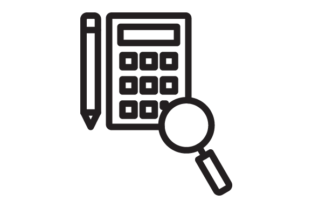
Accounting Embroidery Design: A Practical Review for Real Projects
As a designer and embroidery product reviewer with years of hands-on experience, I often find myself evaluating digital designs based on how they’ll translate into real-world applications. The Accounting embroidery design caught my attention as an SVG icon file, and after testing it across several projects, I’ve formed a clear picture of where it shines—and where to tread carefully.
First Impressions: Clean, Professional, and Functional
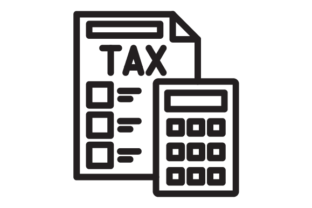
The Accounting design feels immediately modern and structured. Its minimalist lines and balanced layout suggest a calm, organized aesthetic—perfect for anyone looking to convey professionalism through their handmade or commercial products. As an icon in the Icons category under Graphics, it doesn’t try to be flashy; instead, it delivers a subtle visual message that’s easy to interpret at a glance.
What stands out is the clarity of its form. Whether you're using this for a custom tote bag or a boutique logo patch, the design has a straightforward presence. It’s not overly detailed, which makes it versatile, but it still holds enough character to avoid feeling generic. This balance is key when selecting a design for both personal and professional use.
Where Accounting Naturally Fits
- Tote Bag Designs: The clean geometry of Accounting works well on canvas or cotton fabric, especially if you’re creating a personalized gift or small shop merchandise. It looks great centered on a simple background.
- Sweatshirt Embroidery: For a bold yet elegant look, place it on the chest area of a hoodie or sweatshirt. Its shape allows for good visibility without overwhelming the garment.
- Boutique Branding: If you're an Etsy seller or running a small shop, this design can serve as a discreet brand mark on aprons, patches, or even embroidered labels inside garments.
- Printable Mockups: Since it's an SVG file, it scales beautifully for digital previews. You can confidently show off your finished product mockups without worrying about pixelation.
Real-World Performance: Stitch Quality and Visual Clarity
I tested Accounting on a few different fabrics and hoop sizes. On medium-weight cotton, it stitched cleanly with minimal thread tension issues. The stitch density was just right—dense enough to hold its shape but not so tight that it puckered. That said, the performance did depend heavily on the settings used and the fabric type.
When placed on a baby onesie for a personalized gift, the design maintained its integrity but required careful placement to ensure it didn’t get lost in the garment’s overall look. In contrast, on a large-format pillow cover, it stood out beautifully and added a touch of sophistication without being too busy.
One thing I noticed is that the design is best suited for light-colored fabrics. On darker materials, the contrast wasn’t strong enough unless you adjusted the thread colors manually. This highlights the importance of considering thread color choices before finalizing your project.
Design Notes for Embroidery Machines
If you're working with a machine embroidery design, you'll appreciate the way Accounting handles itself. It stitches smoothly and doesn’t require complicated adjustments. However, because it's an icon-style design, there are no complex satin stitches or intricate fill patterns—just a solid outline and maybe some internal details depending on the version you choose.
That simplicity means it’s also a good candidate for applique designs, especially if you plan to layer it with other elements. Just make sure the stabilizer you use is appropriate for the fabric thickness. Too little support can lead to distortion, particularly in stretchy or textured materials.
Careful Use Scenarios: What to Watch Out For
While Accounting is a reliable choice for many embroidery projects, there are certain situations where it might not perform optimally. Here are a few to consider:
- Small Hoop Sizes: The design includes fine lines and corners that may not render clearly in smaller hoops. Always confirm the recommended hoop size from the provider—if it's not listed, do a test run first.
- Stretchy Fabrics: Placing this design on spandex or stretch knits could cause slight distortion, especially around curves and corners. Stick to woven or stable materials for the best results.
- Dark Fabric Backgrounds: Without proper thread color contrast, the design can become difficult to see. Consider adding a white stabilizer or using metallic threads to enhance visibility.
- Detailed Corners and Edges: While the design is clean, the sharp angles may need extra attention during digitization to prevent fraying or uneven stitching. Inspect these areas closely during your trial runs.
- Frequent Washing Products: Items like tea towels or aprons should be approached with caution. The lack of heavy stitch coverage might mean the design fades more quickly than expected.
Commercial vs. Personal Use
As an embroidery file, Accounting can easily transition between personal and commercial applications. But always verify the license terms before selling any finished items or digital embroidery files. Licensing restrictions can vary widely, and it’s better to double-check than risk infringement later.
In a craft business setting, this design adds a level of professionalism that customers notice. Whether you're branding your own line of handmade products or offering custom apparel services, the Accounting design gives your work a polished edge.
Enhancing Visual Appeal and Project Value
What makes Accounting stand out is its ability to elevate the visual appeal of everyday items. Used subtly on a cap or prominently on a tote bag design, it conveys a sense of competence and care. Customers respond positively to such details—they build trust and increase the perceived value of the finished product.
For Etsy sellers and small shop owners, this design helps maintain brand consistency. It can be repeated across multiple items (like aprons, patches, and nursery decor) to create a cohesive look that customers come to recognize and appreciate.
Also, because it’s part of a larger Icons collection under Graphics, it pairs well with other similar designs. This opens up creative possibilities for building themed collections or bundles of design assets for resale.
Design Tips for Best Results
- Test on scrap fabric before committing to a full project. Especially for curved surfaces or delicate textiles.
- Use printable mockups to visualize how the design will appear on your chosen item. This step is crucial for client approval or marketing purposes.
- Review stitch density and adjust if needed. Lower density can help reduce bulk on thin fabrics.
- Check thread colors against your fabric. Sometimes, a black-and-white preview isn’t enough—compare in natural light.
- Consider the product lifespan. For high-wear items, reinforce the design with additional backing or opt for a more durable format.
Final Thoughts: A Thoughtful Addition to Your Embroidery Kit
Accounting is a design that speaks volumes without saying much. It brings a quiet confidence to your embroidery projects, making it a valuable asset in both personal and commercial contexts. From holiday gifts to professional branding, it adapts well when used thoughtfully.
However, don't assume it will work perfectly out of the box. Like any machine embroidery design, it requires preparation and understanding of your materials and tools. Take time to inspect the file formats, test on actual fabric, and confirm whether it meets your commercial embroidery needs.
If you're looking for a design that balances subtlety with impact, Accounting is worth a closer look. Just remember to tailor your approach based on the project, fabric, and audience. After all, the magic of embroidery lies not just in the design, but in how it’s brought to life on the material it adorns.