Tax Embroidery Design Review: A Practical Take for Real Projects
As an experienced embroidery designer and product reviewer, I often find myself evaluating new digital embroidery files with a mix of curiosity and caution. When I first saw the Tax design in its SVG format, it struck me as something that could easily blend into a variety of projects—but whether it would stand out or fall flat depended on how it was applied. This is more than just an icon; it’s a design that demands thoughtful placement to maintain both clarity and impact.
First Impressions and Visual Personality
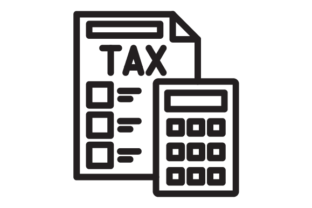
The Tax design has a clean, modern feel with a slightly edgy visual tone. It's minimalist yet bold enough to convey its message without overwhelming the viewer. The lines are crisp, and the overall composition suggests a straightforward theme—ideal for anything from custom apparel to handmade gifts. While it lacks intricate details that might suit ornate projects, its simplicity makes it versatile and adaptable across different products and styles.
I can see this design working well in contexts where subtle branding or thematic storytelling is needed. For example, if I were preparing a line of embroidered tote bags for a small shop selling budget-friendly lifestyle items, Tax could serve as a clever visual metaphor. Its layout feels balanced and intentional, which is reassuring when planning a project that needs to look professional after stitching.
Where Tax Fits Naturally
- Custom Apparel: Sweatshirts and t-shirts benefit from the design’s minimalism. It doesn’t demand too much space but still holds attention.
- Handmade Products: Patches, aprons, and pillow covers gain a touch of personality with this design. It adds a sense of craft without being overly complex.
- Boutique Branding: The design could subtly reinforce a brand identity focused on practicality, affordability, or transparency—especially when paired with other related icons.
- Digital Product Previews: As an SVG, it works great for printable mockups or previews shown in Etsy listings. It looks polished and scalable without losing definition.
Real-Life Performance in Embroidery Projects
Embroidery isn’t just about aesthetics—it’s about stitch performance, fabric compatibility, and customer satisfaction. Let’s break down how Tax handles these real-world considerations.
On Tote Bags and Sweatshirts
For tote bag designs, especially those used in a craft business or Etsy shop, Tax offers a good balance between visibility and subtlety. Placed near the bottom corner or centered at the top, it maintains its presence without dominating the canvas. However, because of its shape and lack of heavy fill areas, it may not be the best choice for high-traffic zones like shoulder seams or back pockets unless reinforced properly.
On sweatshirts, the design performs admirably. Its simple structure translates well into satin stitch outlines, which help define the edges clearly. If using fill stitch inside, keep it light to preserve the design’s readability and avoid muddying the visual intent.
In Baby Items and Holiday Gifts
While Tax doesn’t scream “holiday cheer” or “baby cuteness,” it can work surprisingly well in niche scenarios. Imagine a set of personalized baby onesies with a playful twist—maybe a matching set of embroidered patches featuring terms like “Tax,” “Budget,” and “Savings.” In this case, the design becomes part of a larger narrative, adding a unique touch that sets the product apart in a competitive market.
For holiday gifts, such as embroidered tea towels or kitchen accessories, Tax could fit into a collection themed around financial literacy or home economics. The key here is to ensure the thread colors pop against the fabric. On darker backgrounds, consider using white or metallic threads to create contrast and make the design more eye-catching.
When to Use Tax with Caution
Despite its strengths, Tax has some limitations that every embroiderer should be aware of before committing to a project. Here are a few situations where extra care is needed:
- Small Hoop Sizes: The design’s proportions may get lost in smaller hoops unless you scale it down carefully and test the outcome.
- Textured Fabrics: If you're working with denim, flannel, or other coarse materials, the fine lines of Tax might become distorted during stitching. A lighter stitch density and proper stabilizer can help mitigate this.
- Stretchy or Thin Fabrics: These can cause stitches to pucker or lose their sharpness. Be sure to hoop tightly and use a tear-away stabilizer to maintain quality.
- Curved Surfaces: Embroidering on caps or curved parts of garments can challenge the design’s symmetry. Consider adjusting the placement or using a segmented stitch approach.
- Products That Require Frequent Washing: Designs with tight stitch spacing may fade or wear faster over time. Evaluate whether your handmade product will withstand repeated use.
Design Notes for Maximum Impact
Here are some tips I follow when working with designs like Tax to ensure they perform well in real-life applications:
- Test on Scrap Fabric First: Especially important for commercial projects. See how the stitch count and pattern interact with the chosen material.
- Check Thread Color Contrast: Make sure the design stands out against your background fabric. Darker thread on dark fabric won't do it justice.
- Review Stitch Density: Too dense and it may distort the fabric; too sparse and it loses definition. Find a happy medium.
- Confirm Hoop Size Requirements: If the original file doesn’t specify, check through trial and error. Small corners or thin lines can suffer from improper scaling.
- Inspect Small Details: Since the design is an icon rather than a full illustration, pay close attention to how each element holds up post-stitching.
- Use Proper Stabilizer: Especially for delicate fabrics. A lightweight cutaway stabilizer can make all the difference in stitch stability.
- Test Black and White Mockups: This helps assess how the design will look regardless of color choices. Sometimes, what appears clear on screen doesn’t translate well to monochrome.
- Compare Light and Dark Backgrounds: Try placing the design on both to see which gives the best visibility and emotional impact.
- Check Licensing Before Selling: If you’re planning to use this in commercial embroidery or digital product sales, confirm the licensing allows for resale of the finished product or design assets.
Customer Perception and Project Value
What makes an embroidery design successful isn’t just how it looks stitched—it’s also how customers receive it. Tax carries a certain weight in its visual language. Depending on the context, it can either resonate with buyers or confuse them. For instance, if you’re creating a line of custom apparel for accountants or finance enthusiasts, it could add a nice layer of relevance. But if it’s used in a children’s nursery decor project, it might not hit the right note.
Its effectiveness in personalized gifts depends heavily on the recipient’s interests and the surrounding design elements. Alone, it might seem too abstract or even unintentionally humorous. Paired with complementary graphics or text, however, it can become a meaningful statement piece.
From a branding perspective, Tax can enhance recognition if consistently used across a product line. It adds a level of professionalism that appeals to adult audiences, particularly those interested in practical themes. For Etsy sellers or small shop merchandise, it can differentiate your offerings in a crowded market.
Visual Appeal and Stitch Clarity
One thing that stands out about Tax is how cleanly it translates into stitch form. The absence of tiny lettering or densely packed elements means it rarely gets lost in the process. However, this also means it might appear less detailed than expected if compared to traditional applique designs. Don’t mistake minimalism for underperformance—just understand that it’s designed for clarity, not complexity.
If you're aiming for a decorative accent, consider combining it with other machine embroidery designs to build a cohesive look. On its own, Tax serves best as a supporting feature rather than a focal point.
Final Thoughts for Embroidery Designers and Makers
Overall, Tax is a solid addition to any embroidery designer’s library, especially for those who value clean, modern visuals. It’s not flashy, but it’s functional and expressive when placed correctly. As with any SVG-based design, it requires a bit of finesse to adapt to various substrates and stitch types.
Before finalizing your next embroidery project, take the time to evaluate how Tax fits into your creative vision. Will it add meaning or just clutter? Does it align with your brand aesthetic? Can it be modified to suit different products?
Remember, the success of an embroidery design hinges on more than just technical execution—it's about how it connects with your audience. Whether you're crafting a holiday gift or building design assets for a growing craft business, let your instincts guide you. And always remember to test, adjust, and refine until it feels right.