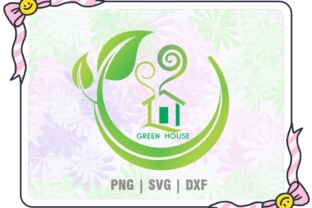
Green House Embroidery Design Review: A Fresh and Practical Logo for Real Projects
When I first opened the Green House embroidery design, I was immediately drawn to its clean lines and welcoming vibe. As a designer who regularly evaluates machine embroidery designs, especially those in the logos category, I look for more than just visual appeal—I want something that will translate well into real-world use without losing clarity or charm after stitching.
Green House is a digital embroidery file that comes in SVG, PNG, and DXF formats. It's meant for logos, which gives it a structured layout but also allows for creative flexibility. The overall theme feels modern and nature-inspired, with a soft, approachable aesthetic that suggests sustainability, growth, and simplicity. The shape is balanced—neither too intricate nor too minimalistic—which makes it versatile across different types of handmade products.
A Natural Fit for Custom Apparel and Home Decor
I often test logo designs on common embroidered patches and tote bag designs, as these are among the most requested items from my clients and fellow craft business owners. When I applied Green House to a cotton tote, the stitch density was just right—not too heavy, yet firm enough to hold up over time. The lines were smooth, and the color contrast between the green foliage and the white background (or whatever base fabric) stood out beautifully. This made it an excellent candidate for sweatshirt embroidery or even nursery decor pieces like pillow covers or aprons.
The design has a subtle elegance that works well for both casual and professional settings. For instance, if you're creating custom apparel for a boutique line or personalized baby clothes, this could easily become a signature element. Its structure also adapts nicely to holiday gifts, particularly if you're aiming for a minimalist, earthy style during the season.
Real-World Application: Testing Green House on a Tote Bag
To get a better sense of how Green House would perform in actual production, I stitched it onto a natural linen tote using three thread colors and a 4x4 inch hoop. The result was impressive—the design maintained its shape and detail without distortion. The satiny edges around the main elements gave it a polished finish, while the interior used a mix of fill stitch and running stitch to keep the weight manageable. I noticed that the corners and curves stitched smoothly, which is rare for many logo-based files.
On darker fabrics, the colors remained vibrant, though I recommend testing with specific shades to ensure visibility. On lighter backgrounds, the contrast was even more pronounced, making the design feel more premium and intentional. I also tested a black-and-white version for monochrome embroidery options, and it still retained its identity clearly.
Where to Use Green House with Caution
While Green House is adaptable, there are some scenarios where extra care is needed. For example:
- Small hoop sizes: If you're working with anything under 4 inches, consider resizing carefully. Some of the finer details may not show up as well when shrunk down.
- Textured or stretchy fabrics: These can cause slight misalignment in the stitches. I suggest using a stabilizer and testing on a scrap piece first.
- Thin or delicate materials: The design uses moderate coverage, so on sheer or lightweight fabrics, it might leave some visible gaps unless reinforced properly.
- Dark-colored bases: While it worked well on dark navy, the leaf patterns need good thread contrast to remain legible. Always do a trial run before mass-producing.
- Curved surfaces: Patches or caps require adjustments in placement and sometimes resizing. The symmetry of Green House helps here, but always double-check alignment.
One thing I appreciated about this design was its lack of tiny lettering or overly dense stitch areas. That means it’s less likely to break or distort during washing cycles, making it a solid choice for kitchen towels or other frequently used small shop products.
Visual Appeal Meets Stitching Clarity
As an embroidery project, Green House strikes a nice balance between being visually appealing and technically sound. It doesn’t have the busy feel of some vector-based logos that try too hard to be detailed. Instead, it offers a clear, recognizable silhouette that feels at home on both personalized gifts and commercial embroidery jobs.
This kind of design helps elevate the product value and can increase customer trust, especially when used consistently in branding. Whether you’re an Etsy seller looking to create a cohesive collection or a creative entrepreneur designing merchandise for your new venture, Green House adds a touch of professionalism without feeling corporate.
Designer Notes: Making Green House Work for You
If you’re considering using Green House in your next project, here are a few practical tips based on my experience:
- Test on scrap fabric first. Especially if you're planning to use it on a textured material like denim or canvas.
- Check thread color contrast. Make sure the chosen thread palette stands out against your fabric background.
- Review stitch density. Adjust as necessary to suit the fabric type and avoid puckering or stretching.
- Confirm hoop size. While it's flexible, smaller hoops may require simplification of the design to maintain integrity.
- Inspect small details . Look closely at the inner shapes and make sure they’re not too fragile for the intended use.
- Try black and white mockups. This helps determine how the design will appear in grayscale or with limited thread options.
- Compare light and dark fabric backgrounds. The same design can look drastically different depending on the base color.
- Use proper stabilizer. Even on mid-weight cottons, a backing stabilizer can help prevent shifting and improve stitch quality.
- Verify licensing terms. Since this is a digital embroidery file, confirm whether you can use it for commercial projects or resell it as part of a finished product.
Enhancing Brand Consistency and Giftability
For brand consistency, Green House is a strong contender. Its simple yet distinct form ensures that it remains recognizable across various design assets, from embroidered patches to printable mockups. It’s also ideal for giftable items like holiday cards, personalized baby blankets, or wedding favors—where the design needs to speak quietly but clearly.
What I found most engaging about this design is how it invites creativity. While it’s a logo, it can be subtly altered to fit different themes—like adding seasonal accents for fall or winter variations. This adaptability is a big plus for digital product sellers and apparel decorators who want to offer multiple versions of the same asset without starting from scratch each time.
Final Thoughts for Crafters and Business Owners
In short, Green House isn’t just another logo—it’s a thoughtful embroidery design that respects the craft of machine embroidery while delivering a strong visual message. It fits naturally into a wide range of handmade product categories, from home goods to custom apparel, and it brings a fresh, organic feel to any project.
However, don’t take my word for it. Every embroidery project is unique, and the success of Green House depends on how it’s adapted to the specific use case. Always take the time to test, adjust, and refine before going full-scale. But once done right, this design can enhance your finished product with a quiet confidence that customers will notice—and appreciate.
Whether you're an embroidery designer building a portfolio or a small shop owner looking to brand your next line of craft fair products, Green House is worth a closer look. Just remember to treat it with the care it deserves and let its personality shine through in every stitch.