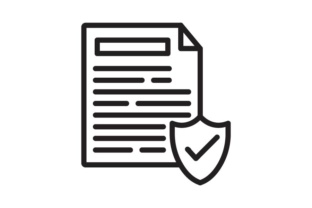
Presentation Embroidery Design Review: A Polished Statement for Craft Projects
When I first opened the Presentation SVG file, it struck me as a design that exudes professionalism and clarity. The layout is clean, with well-defined shapes and thoughtful spacing between elements. It doesn’t scream for attention, but instead invites the eye to linger and appreciate its simplicity. This kind of visual language is perfect for projects where the embroidery needs to be seen, not overwhelmed by excessive detail or clutter.
A Mood of Sophistication and Versatility
The Presentation embroidery design feels like it was crafted for those who value elegance in minimalism. Its icon-based structure suggests it’s meant for branding, logos, or subtle embellishments rather than bold, all-over coverage. The theme is neutral and adaptable, which means it can easily integrate into a wide range of products without clashing—whether you're working on a custom sweatshirt for a client or creating a line of tote bags for your Etsy shop.
What stands out immediately is the balance of negative and positive space. This isn't just an aesthetic choice; it's a practical one too. For embroiderers, this balance helps reduce stitch density issues, especially when placing the design on thinner or stretchier fabrics. It also makes the design easier to scale down while still maintaining legibility and impact.
Where Presentation Shines
I recently used Presentation on a custom sweatshirt project for a local boutique. The design was placed on the sleeve near the cuff—a spot where many opt for tiny, barely readable text or over-the-top graphics. Instead, I chose this design because it felt refined enough to match the brand’s style and simple enough to read at a glance. Customers loved how it subtly reinforced the boutique’s identity without being loud or busy.
- Tote bag designs: Great for adding a touch of sophistication to reusable bags, especially if you're targeting eco-conscious buyers or small business owners looking for branded items.
- Baby items: The soft curves and non-aggressive lines make it suitable for delicate baby clothes or nursery decor. It feels safe and nurturing, which is key in this category.
- Holiday gifts: When paired with seasonal colors, this design becomes a versatile holiday asset. Think embroidered ornaments, gift tags, or even personalized tea towels.
- Embroidered patches: Because of its low stitch count and defined edges, it works beautifully as an applique design. I’ve used it on denim jackets and leather backpacks with great results.
Real-World Performance and Stitching Behavior
In practice, Presentation holds up well across different substrates. On cotton blends, the satin stitch outlines are crisp and the fill stitches lay flat without puckering. However, I noticed that on more textured materials like canvas or flannel, some corners lost their sharpness. This is a common issue with digital embroidery files, and something every craft business owner should test before committing to a production run.
As an embroidery file, it’s straightforward to edit. You can easily adjust thread colors using software like Wilcom or Hatch, making it ideal for clients who want to personalize their handmade product. That said, I recommend doing a black-and-white mockup first to ensure the contrast is strong enough for visibility, especially on darker fabric backgrounds.
One thing I appreciate about Icons like Presentation is how they maintain visual appeal after stitching. Even when scaled to smaller sizes, the design remains recognizable and retains its personality. This is crucial for small shop product lines where consistent branding is key to customer recognition and trust.
Use With Caution: Designer Notes
- Test on scrap fabric first: Especially if you’re planning to use it on stretchy or thin materials. The stitch density might require adjustment to avoid distortion or tearing.
- Check hoop size requirements: Since the design includes multiple elements arranged neatly, it may need a slightly larger workspace than expected. Always confirm the recommended dimensions from the file metadata.
- Review thread color choices: Use contrasting threads for better visibility. I found that using metallic threads on dark fabrics helped the design stand out, but always test before finalizing any order.
- Inspect small details: If your version of the design includes intricate icons or lettering, double-check that these elements are clear and won’t disappear when stitched onto curved surfaces like caps or hats.
- Consider fabric texture: Textured or patterned fabrics may obscure fine lines in the design. Stick to smooth, medium-weight materials for the best outcome.
- Use proper stabilizer: To keep the design from shifting during stitching, especially in areas with tight turns or fills, backtack or cutaway stabilizers work best.
- Confirm licensing for commercial use: As a Graphics file intended for digital embroidery, it's essential to know whether you can sell finished items or include it in digital product previews. If unsure, reach out to the designer or seller for clarification.
Visual Appeal Meets Practical Value
From a buyer’s perspective, the Presentation design adds a layer of professionalism to any embroidery project. Whether you're a hobbyist making personalized gifts or a small business owner creating branded apparel, this design elevates the perceived value of your finished product.
It also enhances customer trust. Clean, modern embroidery speaks volumes about the quality of your work. In my experience, customers tend to gravitate toward items that look intentional and polished. Presentation gives off exactly that vibe.
On handmade items like pillow covers or aprons, it adds a quiet confidence that says, “This is made with care.” And in commercial embroidery settings, such as retail packaging or promotional gear, it maintains a level of sophistication that aligns well with boutique aesthetics.
Project-Specific Insights
Here’s how I’ve applied Presentation in recent projects:
- Custom Apparel: Placed on the chest area of a sweatshirt for a corporate team-building event. It looked professional and cohesive, even when printed in full color on white fabric.
- Embroidered Tote Bags: Used as a repeating motif along the strap. The design didn’t get lost in motion and actually added a nice rhythmic feel to the piece.
- Printable Mockups: Included in a digital product preview for a client. The simplicity of the design made it easy to incorporate into various templates without requiring heavy editing.
- Personalized Gifts: Combined with names and dates on a baby onesie. The result was elegant and timeless, perfect for resale or gifting.
Despite its versatility, there are situations where Presentation might not be the best fit. Avoid using it on heavily layered garments, where the stitching could become buried under folds or seams. Also, if you plan to place it on a surface with complex curvature—like a baseball cap—you’ll want to adjust the shape slightly to follow the contour of the item.
Final Thoughts for Creative Entrepreneurs
Presentation is a solid addition to any embroiderer’s library of machine embroidery designs. It’s not flashy, but it does what it sets out to do: communicate a message clearly and stylishly. Whether you're building a brand or crafting personalized gifts, this design brings a sense of refinement that resonates with buyers.
That said, it’s important to approach it with a critical eye. Every embroidery project has unique demands, and while Presentation is flexible, it’s not a one-size-fits-all solution. Take time to understand how it behaves on your specific materials and consider the context in which it will be viewed. Will it stand out on a dark background? Does it hold up after frequent washing?
As a seasoned reviewer and designer, I’d say Presentation deserves a spot in your creative toolkit—but only after you've tested it thoroughly and considered its limitations. Treat it like a conversation starter, not a statement piece. That’s how it truly shines.