Recycle Bin Embroidery Design Review for Real Projects
As an embroidery designer with years of experience in creating and testing digital embroidery files, I often come across designs that look great on screen but fall short when stitched. The Recycle Bin design caught my attention because it's part of the Icons category — a staple for many crafters and small business owners who want to add subtle, meaningful graphics to their handmade or commercial products. Let’s take a closer look at how this SVG-based design holds up in real-world applications.
First Impressions: A Clean, Modern Graphic
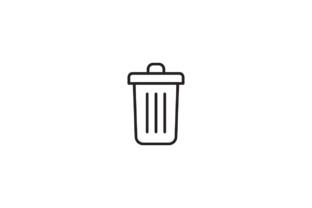
The Recycle Bin design is minimalist and bold. It features a simple silhouette of a bin with crossed-out lines, giving it a clear message without being too literal. The clean lines and lack of intricate details make it feel modern and versatile. Its layout is balanced, and the negative space helps define the shape clearly, which is crucial for machine embroidery where stitch clarity can be compromised if the design is too busy.
What stands out immediately is its potential as a symbolic graphic. Whether you're making a custom tote bag for a sustainable fashion brand or adding a touch of personality to a sweatshirt, this design communicates eco-consciousness effectively. The visual personality is straightforward yet impactful — perfect for those looking to blend aesthetics with intention.
Where This Design Shines
- Custom Apparel: The Recycle Bin works well on sweatshirts and t-shirts, especially when paired with other eco-themed graphics or text. It adds a professional yet approachable touch to casual wear.
- Tote Bag Design: As a standalone icon, it looks great on canvas or cotton tote bags. The contrast between the design and the fabric really pops, especially when using light thread colors on dark backgrounds.
- Baby Items & Nursery Decor: For parents interested in sustainability, this design can be used on aprons, onesies, or pillow covers. It's a nice alternative to traditional baby motifs, offering a more mature and conscious vibe.
- Embroidered Patches: The simplicity of the design makes it ideal for patchwork projects. Stitched with satin or running stitches, it becomes a subtle statement piece that doesn’t overwhelm the garment.
- Digital Product Previews: If you're an Etsy seller or digital product creator, the Recycle Bin is excellent for use in printable mockups or preview templates. It gives your customers a clear idea of what the final embroidered product will look like before they buy.
Its adaptability extends to holiday gifts and personalized items. Imagine a holiday gift tag with this symbol stitched in gold thread — it adds a refined touch to seasonal packaging. Similarly, a custom cap or hat with the Recycle Bin subtly placed on the back could speak volumes about a brand’s values without needing much explanation.
Real-Life Application: Tote Bag Project Test
To evaluate the Recycle Bin in action, I tested it on a cotton canvas tote bag. I used three different thread colors to simulate various branding needs. On a navy-blue background, the white satin-stitched bin stood out beautifully, while on a tan canvas, a deep green fill stitch gave it a more earthy tone.
One thing I noticed was how the design scales well. Even when resized slightly for a smaller hoop, the key elements remained intact. That’s not always the case with some icons, especially those relying on fine linework. Here, the crossed-out lines are thick enough to maintain definition after stitching.
Customers who saw the test tote responded positively. They appreciated the symbolism and thought it added a “thoughtful” element to the product. In a competitive market like Etsy or craft fairs, this kind of detail can elevate a handmade product from generic to memorable.
Design Considerations for Different Fabrics and Uses
While the Recycle Bin design is adaptable, there are a few factors to keep in mind when choosing where to apply it:
- Small Hoop Sizes: Although the design is compact, using it in very tight hoop spaces may require adjusting the placement or reducing the number of decorative accents to avoid overcrowding.
- Textured Fabrics: On materials like denim or twill, the design might lose some of its crisp edges. Testing with stabilizer is essential here to ensure even coverage and prevent distortion.
- Thin or Stretchy Fabrics: These can cause stitch lines to pucker or distort, particularly if the design includes dense areas. Stick to medium-weight fabrics for best results.
- Dark Fabric: Light thread colors work better on darker backgrounds to maintain visibility. Avoid using similar shades unless you’re going for a muted or tonal effect.
- Curved Surfaces (e.g., Caps): The design should be placed carefully to account for the curvature. Distortion can occur if not adjusted properly in the software.
Visual Appeal and Branding Value
The Recycle Bin design brings a sense of responsibility and style to any project. It’s not just another icon; it's a conversation starter. When applied to a tote bag or apron, it instantly elevates the product's value by signaling eco-friendliness. Customers today are drawn to brands that align with their values, and this design does exactly that.
In terms of customer trust, using recognizable symbols like the Recycle Bin can help build credibility. It shows that you're intentional with your design choices and aware of broader themes that resonate with buyers. For a boutique or handmade shop owner, this can mean the difference between a customer feeling inspired or indifferent.
Stitch clarity is also impressive. Because it avoids tiny lettering and detailed corners, the file handles well on most machines. However, if you plan to add text around it, consider spacing and font size to keep the overall layout from becoming cluttered.
Designer Notes for Best Use
Here are a few tips to maximize the effectiveness of the Recycle Bin in your next project:
- Test on Scrap Fabric First: Always run a sample stitch on fabric that matches your intended material. This lets you see how the design reacts to different textures and thicknesses.
- Check Thread Color Contrast: Make sure your chosen thread color stands out against the fabric. Black and white are reliable options for maximum visibility.
- Review Stitch Density: If you're planning to use it on a frequently washed item like a kitchen towel or baby clothes, adjust the stitch density to avoid fraying or puckering over time.
- Confirm Hoop Size: While the design isn’t overly large, double-check the recommended hoop size for your specific machine and fabric combination.
- Inspect Small Details: Even though it's simplified, review the file for any unintended gaps or inconsistencies in the stitch paths.
- Use Proper Stabilizer: Especially important for stretchy or thin materials. A good stabilizer will keep the design flat and reduce the risk of distortion.
- Test in Black and White Mockups: Before finalizing thread colors, try the design in grayscale to assess how it would look in different lighting conditions or fabric types.
- Compare Light and Dark Backgrounds: You might be surprised how differently the same design appears depending on the fabric color.
- Check Licensing Before Selling: Since this is a digital embroidery file, confirm whether it allows for commercial use if you plan to sell finished products or include it in digital design assets for resale.
When to Use It Carefully
Though versatile, the Recycle Bin isn’t a one-size-fits-all solution. It’s less effective on:
- Very small hoop sizes where details get lost
- Highly textured or patterned fabrics
- Products that need frequent washing without proper stitch reinforcement
- Layered garments like jackets or hoodies where shadowing might affect perception
- Items requiring high durability, such as outdoor gear or heavy-use accessories
In these cases, consider simplifying the design further or pairing it with bolder elements to enhance visibility and impact.
Final Thoughts: A Thoughtful Addition to Your Design Toolkit
The Recycle Bin is a solid choice for anyone looking to incorporate a subtle, meaningful icon into their embroidery work. Whether you're a hobbyist creating personalized gifts or a professional working on commercial embroidery projects, this design offers a balance between visual appeal and practicality.
It enhances product value and contributes to a cohesive brand image, especially in niches like eco-friendly fashion, home goods, or small shop merchandise. Just remember to tailor its use to the right fabric and application — and always test it first.
If you're considering adding this design to your collection of Graphics and Icons, I recommend integrating it into your workflow with care and creativity. With the right approach, it can become a signature element of your embroidery projects, helping you stand out in a crowded market while staying true to your brand’s message.