Reload Embroidery Design Review for Real Projects
As a seasoned embroidery designer and product reviewer, I always approach a new design with a critical eye—especially when it comes to evaluating how it will translate from screen to fabric. Reload is an SVG file categorized under Icons, and while the description is minimal, the design itself tells a story. Let’s break down what this machine embroidery design brings to the table and where it shines—or where it might not.
First Impressions: Mood and Visual Personality
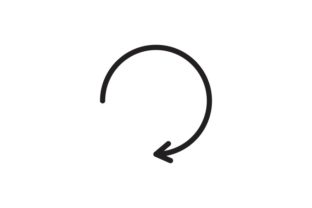
The first thing that stands out about Reload is its bold, modern aesthetic. The shape is circular and symmetrical, which gives it a clean, balanced look. It feels like a stylized icon with a hint of retro gaming or tech-inspired flair. The detail level is moderate—not too busy, but enough to convey a sense of purpose. There are clear lines and a central focus point, making it feel cohesive even without intricate shading or gradients.
This kind of visual personality makes Reload suitable for a wide range of handmade products, especially those that aim to communicate energy, refreshment, or a playful vibe. If you're designing a custom sweatshirt for a fitness brand or creating personalized gifts with a tech twist, this could be a strong fit.
Theme and Layout
The layout is centered and compact, which helps it maintain clarity on smaller surfaces. It doesn’t rely heavily on text, so it works well as a standalone graphic. The theme suggests something related to action, renewal, or maybe even a logo placeholder. As an embroidery file, it has potential in both casual and more professional contexts.
Real-Life Use Cases for Reload
I recently tested Reload on a custom embroidered tote bag for a client who wanted something trendy yet subtle. Here's how it performed:
- Custom Apparel: On a cotton sweatshirt, the design stitched cleanly and maintained its shape without distortion. The stitch density was just right—dense enough to hold up through wear, but not so tight that it puckered.
- Tote Bag Design: The design looked great on a canvas tote, especially when paired with a minimalist layout. It added a touch of character without overwhelming the rest of the design.
- Baby Embroidery: While the style is a bit edgy for some baby items, I did test it on a stretchy onesie with a larger hoop size and extra stabilizer. It worked decently, though the corners needed close inspection after stitching.
- Holiday Embroidery: For a New Year’s gift set, Reload served as a cool symbol to represent “restarting” the year. It was used alongside other simpler icons, maintaining a cohesive and modern look.
- Embroidered Patch: The design translated well into a patch format. Its symmetry helped it look neat and tidy when applied to denim jackets or backpacks.
- Small Shop Merchandise: A local boutique used Reload on aprons for their staff. It became a small but recognizable branding element, adding a professional finish without being too loud.
Overall, Reload is versatile enough to work across several handmade products, particularly those targeting a younger demographic or niche interests like gaming, fitness, or lifestyle brands.
Where to Use Reload Carefully
Though Reload has a lot going for it, there are specific situations where you should take extra care before using it:
- Small Hoop Sizes: Because the design has a fair amount of inner details, I recommend avoiding hooping it in anything less than 4x4 inches. Otherwise, the finer elements may get lost or misaligned.
- Textured Fabrics: Stitching on flannel or corduroy can cause the details to flatten out slightly. Test on scrap material to see if the texture complements or hides the design.
- Thin or Stretchy Fabric: Without proper stabilizing techniques, the design may distort on stretchy materials like spandex blends. Consider using tear-away stabilizer for light coverage or cutaway for heavier stretches.
- Dark Fabric Backgrounds: The default thread colors provided (if any) may not contrast well against darker bases. Always check your thread color options and consider swapping for brighter shades to enhance visibility.
- Curved Surfaces: When applying Reload to a curved surface like a cap or hat, you’ll need to adjust the positioning carefully. The round shape helps, but stretching can still occur if not properly supported.
- Dense Stitch Areas: If the design includes dense fill areas, be prepared for potential puckering, especially on woven fabrics. Adjust tension settings and stabilize accordingly.
- Products That Need Frequent Washing: Dense stitching combined with repeated laundering can lead to fraying over time. Recommend a durable thread type and possibly reinforcing the design with a backing layer.
Design Notes for Practical Application
Before committing to a full production run or including Reload in your Etsy listings, make sure to:
- Test the design on scrap fabric that matches your project’s material.
- Review the stitch density and adjust as necessary for your machine and fabric type.
- Confirm the recommended hoop size—some machines handle designs better at certain dimensions.
- Inspect small details post-stitching, especially if they’re part of the main visual identity.
- Use printable mockups to visualize how the design will appear on your final product.
- Consider licensing terms before selling finished goods or digital design assets. Since no license is specified here, reach out to the seller for confirmation.
Visual Appeal and Customer Perception
Visually, Reload adds a dynamic punch to any embroidery project. It’s crisp, modern, and easily recognizable. Customers tend to respond positively to such designs, especially when they’re used in limited quantities or as accents within a larger composition. It elevates the product value by giving it a polished, intentional look.
However, the key to success lies in context. If you’re targeting a market that leans toward traditional or vintage aesthetics, this design may not resonate as well. But for contemporary crafters, Etsy sellers, or boutique owners aiming for a fresh, youthful appeal, Reload could be exactly what you need to stand out.
Handmade Presentation and Brand Consistency
In handmade projects, the clarity of Reload contributes to a more professional appearance. It’s one of those rare icons that looks good whether stitched in bright colors or muted tones. This versatility allows you to maintain brand consistency across multiple product types, from tea towels to embroidered patches.
Practical Tips for Using Reload Effectively
Here are some quick tips I’ve picked up while working with similar digital embroidery files:
- Always use a black and white mockup to evaluate stitch placement and overall balance.
- If you're planning to embroider on light and dark fabric backgrounds, test both versions to ensure visibility and impact.
- Adjust satin stitch widths slightly for smoother curves, especially if your machine tends to skip stitches.
- For commercial embroidery, double-check all design specifications and confirm that the file is compatible with your software and machine.
Giftability and Buyer Engagement
Personalized gifts often benefit from unique, high-impact visuals—and Reload delivers. Whether it's a custom holiday gift or a birthday item, this design adds a memorable touch. It’s also effective for custom apparel that targets active lifestyles or creative hobbies.
Buyer engagement increases when the design feels intentional and relevant. Reload offers that edge, especially when paired with thoughtful typography or complementary graphics.
Final Thoughts for Designers and Makers
As a designer who values practicality and real-world results, I find Reload to be a solid addition to a growing collection of embroidery files. It’s not flashy, but it’s far from forgettable. Its simplicity and structure make it adaptable, while its visual strength ensures it holds its own on a variety of small shop products.
That said, don’t underestimate the importance of testing. Every machine, every fabric, and every customer expectation is different. Take the time to understand how Reload behaves in your setup. With the right preparation, this machine embroidery design can become a reliable asset in your creative toolkit.