Reviewing the Legal Embroidery Design for Real Projects
As a seasoned embroidery designer and product reviewer, I always take time to evaluate how a digital embroidery file like Legal will perform in real-world applications. This isn’t just about aesthetics—it’s about usability, adaptability, and the overall experience of both the maker and the end customer. In this article, I’ll walk through my thoughts on using Legal as an icon-style graphic design across various handmade and commercial embroidery projects.
First Impressions: The Mood and Visual Language of Legal
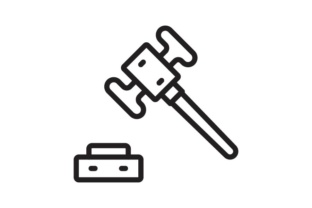
The first thing that stands out when opening the Legal SVG file is its clean and modern visual language. It has a professional yet approachable feel, which makes it suitable for both personal and small business use. As an icon-based graphics design, it communicates a sense of clarity and purpose—perfect for logos, branding elements, or decorative accents that need to stand out without overwhelming the viewer.
The shape is well-balanced and symmetrical, with sharp lines and subtle curves that give it a polished appearance. Since it's categorized under Icons, I can see how it would serve as a great standalone motif or complement more complex designs. The detail level is moderate, avoiding unnecessary complexity while maintaining enough character to be visually engaging.
This kind of design naturally belongs to projects where subtlety and sophistication are key—think custom apparel, tote bags, baby items, or even boutique branding. It feels like a design that could easily become part of a brand’s identity if used consistently and thoughtfully.
Real-World Application: Testing Legal on a Tote Bag Project
To get a practical sense of what Legal offers, I tested it on a custom embroidered tote bag intended for a client who sells handmade gifts at local craft fairs. The fabric was medium-weight cotton canvas, a common choice for tote bags due to its durability and smooth surface.
After loading the SVG into my embroidery software, I noticed the design scaled well. Its structure didn’t distort when resized, which is crucial for ensuring consistent quality across different products and hoop sizes. I also appreciated the lack of tiny lettering or intricate corner details, which made it easier to stitch cleanly and reduced the risk of distortion during sewing.
I opted for a simple two-color satin stitch to keep the look fresh and affordable. The result was crisp and legible from a distance—important for a design that needs to communicate quickly and clearly. Customers at the craft fair were drawn to the tote bags with Legal because of their neat, professional appearance, and many asked about the meaning behind the design. That kind of engagement is exactly what makes a good icon work in the real world.
How Legal Performs Across Different Embroidery Projects
- Custom Apparel: Legal works especially well on sweatshirts and t-shirts, particularly in minimalist fashion styles. Its balanced layout doesn’t compete with the garment itself but adds a touch of personality.
- Baby Clothes & Nursery Decor: With its soft curves and structured form, the design fits seamlessly into baby-themed embroidery projects. It reads clearly on onesies, bibs, and pillow covers, making it a safe choice for parents looking for something stylish yet timeless.
- Embroidered Patches: As a standalone patch design, Legal maintains its integrity. It stitches neatly and looks great on denim jackets or leather accessories, adding a signature element without being too loud.
- Tote Bags & Aprons: On cotton canvas and linen blends, the design holds up well with minimal fraying. It’s a solid choice for Etsy sellers or small shop owners who want to add a branded or thematic touch to their reusable items.
- Kitchen Towels & Tea Towels: When stitched with high-contrast thread colors, Legal becomes a charming addition to functional home décor. Its simplicity ensures it won’t fade after repeated washing, a big plus for textile-based items.
- Holiday Gifts & Personalized Items: For personalized holiday gifts like embroidered ornaments or gift tags, Legal brings a refined edge. It pairs well with other seasonal motifs or text elements to create a cohesive design set.
- Commercial Embroidery Projects: While not overly detailed, Legal has enough visual weight to make an impact in commercial settings. Whether it’s used on branded caps, promotional aprons, or boutique signage, it contributes to a unified aesthetic.
Careful Use Cases: Where Legal Needs Attention
While Legal is versatile, there are specific situations where extra care is needed to ensure the best outcome:
- Small Hoop Sizes: If you’re working within tight hoop constraints, such as for embroidered patches or cap logos, the design might lose some of its clarity. Always confirm your machine’s capabilities before finalizing placement.
- Textured Fabrics: On fabrics like flannel or felt, the design’s fine lines may become less distinct. A denser stitch count or using metallic threads can help maintain definition.
- Thin or Stretchy Fabrics: Delicate materials like jersey knit or lightweight cotton can cause slight distortion. Using a tear-away stabilizer underneath helps preserve the design’s structure.
- Dark Fabric Backgrounds: Thread color contrast is essential. On black or navy backgrounds, consider using white or silver thread to let the design pop. Test on scrap fabric first to avoid surprises.
- Curved Surfaces (e.g., Caps): The symmetry of Legal means it adapts better to flat surfaces than curved ones. However, with proper alignment tools in your embroidery software, it can still work effectively on caps or curved patches.
- Detailed Corners and Edges: Although Legal doesn’t have extremely delicate features, corners should be checked for smoothness. Some machines may struggle with tight angles unless properly configured.
- Frequent Washing: For items like baby clothes or kitchen towels, stitch density and fabric choice are important. A tighter stitch pattern and heavier-weight fabric will help Legal last longer and retain its shape.
Visual Appeal and Customer Reaction
In terms of visual appeal, Legal strikes a balance between bold and understated. It’s not flashy, but it does command attention when placed correctly. The design’s simplicity allows it to blend into a variety of styles—from rustic farmhouse to modern urban—making it adaptable to different target audiences.
Stitching clarity is another strong point. From afar, the design is immediately recognizable, and up close, the lines remain clean and intentional. This makes it ideal for handmade product listings where presentation matters, and buyers expect a certain level of craftsmanship.
Using Legal in a project can subtly increase product value by giving it a more curated look. Customers tend to trust and engage more with items that feel professionally designed—even if they’re made by hand. This is especially true for Etsy sellers and craft business owners who rely on buyer perception to justify pricing and drive sales.
When used as part of a cohesive branding package, Legal enhances brand consistency. It’s a design that can appear on multiple product types—tote bags, patches, and apparel—without feeling disjointed. This consistency builds recognition over time, which is invaluable in any creative or entrepreneurial venture.
Designer Notes for Using Legal Effectively
Here are some tips based on my experience using the Legal embroidery design:
- Test on Scrap Fabric First: Before committing to a full batch, run a test stitch on a sample of your actual material. This reveals potential issues with tension, thread visibility, and fabric stretch.
- Check Thread Color Contrast: Especially on dark or light fabrics, ensure the chosen thread complements the background. Sometimes, a single bright color can elevate the entire piece.
- Review Stitch Density: If you're planning to use Legal on wash-prone items, adjust the stitch density slightly to prevent fraying or loosening over time.
- Confirm Hoop Size: Make sure your hoop size accommodates the design comfortably. Overcrowding can lead to misalignment and poor stitching results.
- Inspect Small Details: Even though Legal is relatively simple, zoom in on the design preview to check for any inconsistencies or unexpected stitch patterns.
- Use Proper Stabilizer: Depending on your fabric type, choose the right stabilizer—cutaway for stretchy materials, tear-away for most cotton blends, and wash-away for delicate layers.
- Test in Black and White Mockups: This helps determine whether the design relies too heavily on color for visibility. Monochrome testing is a quick way to future-proof your design choices.
- Compare Light and Dark Fabric Backgrounds: Try placing Legal on contrasting backgrounds to see which gives the best readability and aesthetic balance.
- Check Licensing Before Selling: Since the description only mentions SVG format, it’s important to verify whether the design is licensed for commercial use. This is vital for anyone selling finished products or digital embroidery files.
Final Thoughts for Makers and Sellers
Overall, Legal is a reliable and aesthetically pleasing machine embroidery design that fits well into a range of embroidery projects. Whether you're creating personalized gifts or building a line of small shop products, it’s a design that supports your vision without overshadowing it.
Its strength lies in its versatility and clean execution. But like all digital design assets, it requires thoughtful application. By understanding the nuances of fabric, hoop size, and thread interaction, you can maximize its impact and ensure every finished item meets your standards—and your customers’ expectations.
If you're considering using Legal in your next project, remember to treat it like any other design asset. Take the time to plan, test, and refine. That’s how you turn a great SVG into a memorable embroidered patch, sweatshirt embroidery, or holiday gift that stands the test of time and customer scrutiny.