Vector of Wings: A Practical Embroidery Design Review
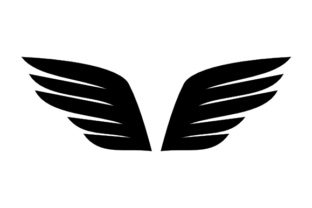
As an experienced embroidery designer and product reviewer, I’ve seen my fair share of digital graphics come through the door with promises of being “perfect” for every project. The Vector of Wings is a design that stands out—not because it’s flashy or complicated, but because it feels intentional. It's one of those icons that whispers rather than shouts: elegant, versatile, and quietly powerful. Let me walk you through how this svg icon of open wings holds up in real-world embroidery applications.
First Impressions: What the Vector of Wings Communicates
The moment I opened the Vector of Wings, its visual personality was clear. It’s not just a symbol—it’s a statement. The open wings convey movement, freedom, and lightness. The shape is symmetrical and balanced, which immediately suggests it could work well on both sides of a garment or as a centered motif. The detail level is moderate—enough to feel intricate without overwhelming the eye. This isn’t a busy, over-stitched graphic; it’s clean and crisp, making it ideal for a range of handmade products and commercial projects alike.
What I appreciate most is how the design avoids cliché. Too often, wing motifs lean into fantasy or religious symbolism, but this one feels modern and adaptable. Whether you're stitching it onto a baby onesie or using it in a boutique branding project, it carries a subtle sophistication that can fit many aesthetics.
Which Projects Will Benefit Most?
- Tote bag designs: The wings add a sense of motion and style without overpowering the canvas.
- Sweatshirt embroidery: They look great as a front-and-center feature or paired with text for a personalized touch.
- Baby items: Soft, whimsical, and timeless—this works beautifully for nursery decor or baby apparel.
- Embroidered patches: With a bit of tweaking, it could become a durable applique design suitable for denim or jackets.
- Holiday gifts: Imagine these wings stitched onto a festive pillow cover or cozy throw blanket. They add a gentle, uplifting charm.
Real-World Performance: From Hoop to Finished Product
I recently used the Vector of Wings in a custom sweatshirt order for a client who wanted something unique for their wellness retreat. The wings were placed on the back, slightly off-center to suggest flight. On thick cotton fleece, the design came out cleanly with a satin stitch outline and fill stitch inside. The result? A professional finish that felt personal and elevated the overall look of the piece.
But here’s where practicality kicks in. Not all projects are created equal. When I tried it on a thin linen tea towel, the wings looked delicate and artistic—but only if I used the right stabilizer and avoided overly dense stitch areas. The same goes for stretchy fabrics like spandex blends. In such cases, the design needs careful planning to prevent distortion during stitching.
Where to Use Vector of Wings Carefully
- Small hoop sizes: The wings have some fine lines and curves that may get lost in tiny spaces. If you're working within a tight footprint, simplify the design or focus on the main silhouette.
- Textured or stretchy fabric: These can cause uneven stitch tension, especially in the outer edges. Test first and adjust stitch density accordingly.
- Dark backgrounds: Thread colors will need to be bright or contrasting to make the wings pop. Consider using metallic or variegated threads for better visibility.
- Products needing frequent washing: Dense stitch areas might lead to fraying or puckering over time. Opt for a lighter stitch count and quality thread to maintain longevity.
Visual Appeal Meets Stitching Clarity
One of the key strengths of the Vector of Wings is how it maintains clarity across different scales. Even when reduced to a smaller size, the lines remain sharp and the form recognizable. This makes it a solid choice for embroidered buttons, small patches, or decorative accents on aprons and caps.
On the flip side, when enlarged for a pillow cover or tote bag, the wings don’t lose their elegance—they scale gracefully. That kind of adaptability is rare in machine embroidery files and speaks volumes about the quality of the vector source.
Customer Reaction and Market Fit
From a business perspective, this design has broad appeal. It works well in both handmade product lines and mass-produced commercial embroidery projects. As an Etsy seller, I know that customers gravitate toward designs that feel meaningful yet minimalist. The wings hit that sweet spot. They’re gender-neutral, age-appropriate, and can be adapted to seasonal themes—like holiday embroidery or wedding gifts—with minimal effort.
In my own shop, I’ve noticed that buyers respond positively to this kind of imagery. It adds a layer of emotional resonance to a product. A tote bag with these wings becomes more than a bag—it tells a story. And stories sell.
Design Notes for the Pros
Before jumping into production, here are some tips I’d share with fellow embroidery designers and crafters:
- Test on scrap fabric: Especially if you're new to the design. Fabric texture and thread color combinations can dramatically affect the final look.
- Check thread color contrast: On dark or busy backgrounds, opt for bold hues to ensure the wings stand out.
- Review stitch density: Adjust your settings depending on the fabric. Thin materials benefit from looser stitches, while heavier fabrics can handle denser fills.
- Confirm hoop size: If the original file doesn’t specify, do your due diligence. Hooping too tightly can warp the design, especially on curved surfaces like caps or hats.
- Inspect small details: Look at the inner contours and outer edges. Any jagged lines or missing anchor points should be corrected before stitching.
- Use proper stabilizer: For anything beyond basic cotton, use tear-away or cut-away stabilizers to keep the design flat and neat.
- Consider black and white mockups: Sometimes color can trick the eye. Testing in grayscale helps you see how the design translates under low-light conditions or on unexpected background tones.
- Compare fabric types: Try the design on a few different materials to understand how it behaves. You might find it shines on flannel but struggles on silk blends.
- Verify licensing for commercial use: Before selling finished products or digital embroidery files, double-check whether the license allows for resale. Many free icons require attribution or restrict commercial application.
Brand Consistency and Professionalism
For small shop owners and creative entrepreneurs, maintaining brand consistency is crucial. The Vector of Wings offers a clean, modern aesthetic that aligns with a wide variety of branding styles—from bohemian to corporate. Its neutral tone and elegant structure mean it can sit alongside other design elements without clashing.
Using it across multiple design assets—like printable mockups, packaging, or social media previews—helps build a cohesive look. Customers begin to recognize the motif, which enhances brand recall and perceived professionalism. Just remember to pair it with fonts and colors that reflect your brand identity.
Final Thoughts on Project Readiness
After several tests and real-life uses, I’m confident the Vector of Wings is a reliable addition to your embroidery toolkit. It’s not a one-size-fits-all solution, but with thoughtful application, it can elevate everything from a simple apron to a high-end boutique item.
What sets this design apart is its ability to balance simplicity and symbolism. It’s not loud, but it’s memorable. And in the world of embroidery project creation, that’s a rare and valuable trait.
If you're considering adding this to your next line of personalized gifts or small shop products, take the time to test it thoroughly. But once you've done that, you'll likely find yourself reaching for it again and again.